

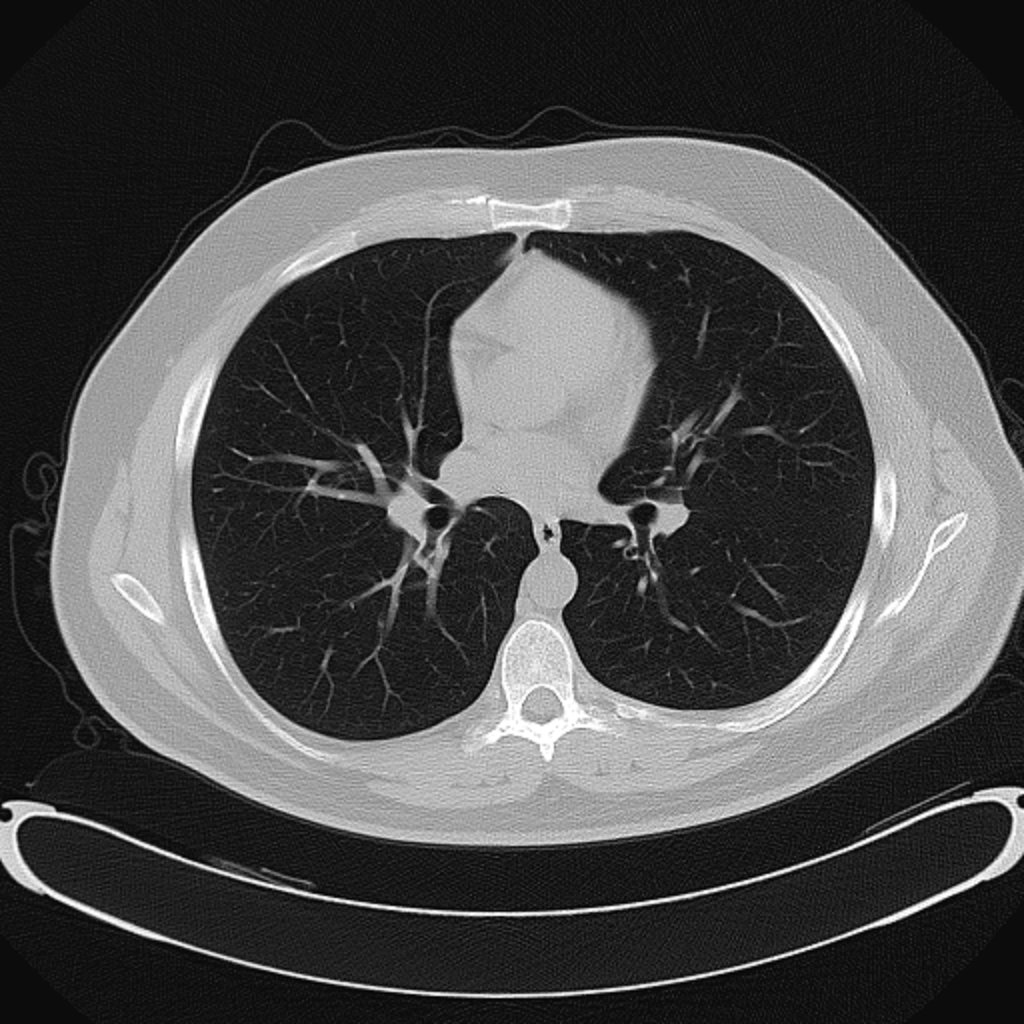
Lung nodules are among the most common incidental findings in modern medicine, spotted on chest scans ordered for entirely unrelated reasons, yet the systems for following them up remain strikingly uneven. A new framework from the American College of Chest Physicians, known as CHEST, now sets out six steps for building lung nodule programs that carry a patient reliably from first detection through to diagnosis, closing the gaps in which cancers are too often found late.
Why Lung Nodule Programs Needed a Blueprint
As imaging has grown cheaper and more widespread, so has the number of small lung nodules identified each year. Most prove harmless, but a minority are early lung cancers at precisely the stage when treatment works best. The problem is rarely the scan itself. It is everything that happens afterwards: whether anyone owns the follow-up, whether the patient returns, and whether risk is assessed consistently rather than by whoever happens to read the report first.
Health systems have responded by creating dedicated lung nodule programs, but until now there has been no shared blueprint for what a good one looks like. Programs vary widely in staffing, tracking software and thresholds for intervention. The new framework, published through the American College of Chest Physicians, is an attempt to standardise that work without flattening the judgement of individual clinical teams.
The Six Steps, From Detection to Diagnosis
The framework organises the journey into six connected steps, beginning with reliable detection and notification. A nodule that is described in a radiology report but never actively flagged to a responsible clinician is, in practical terms, a nodule lost. The early steps therefore focus on systems: registries that capture findings automatically, clear ownership of each case, and communication with patients that explains what a nodule is in plain language rather than alarming them into either panic or avoidance.
Risk Stratification at the Centre
The middle steps deal with risk stratification, the process of deciding which nodules can be safely watched, which need closer surveillance imaging, and which justify biopsy or referral. Done well, this protects low-risk patients from unnecessary procedures while moving high-risk patients quickly. Done poorly, it produces both over-treatment and dangerous delay, sometimes within the same clinic.
It is here that validated biomarker testing enters the framework. Blood-based tests that help estimate the probability of malignancy can sharpen decisions for indeterminate nodules, the grey-zone cases that consume the most clinical time. The framework points to validated testing, including work from companies such as Biodesix, as a supporting tool within a structured pathway rather than a substitute for clinical assessment.
What Changes for Patients
For patients, the most visible change should be simple: fewer findings that vanish. A person told that a scan showed a small spot on the lung should leave knowing who is tracking it, when the next image will happen, and what result would trigger the next step. That clarity matters psychologically as much as clinically. Living for months with an unexplained finding is its own burden, and well-run programs treat communication as part of the treatment.
There is also an equity argument. Incidental findings follow the imaging, and imaging follows access. Patients scanned in emergency departments, often those with the fewest resources and the least continuity of care, are the most likely to have a nodule recorded and then lost. A framework that insists on registries and closed-loop follow-up is, in effect, insisting that the safety net catch the people most likely to fall through it. Readers can follow continuing health coverage on lupinnews.com as programs begin adopting the framework.
The Hard Part Is Not the Science
None of the six steps requires a scientific breakthrough. The obstacles are operational: funding coordinator roles that do not bill directly, integrating tracking tools with electronic records, and persuading busy departments that a finding in someone else’s patient is still someone’s responsibility. Hospitals that have built successful programs tend to describe the same ingredients, a named clinical lead, a nurse navigator or coordinator, multidisciplinary review, and data reviewed often enough to spot where patients stall.
The framework also gives smaller hospitals a realistic starting point. A full program with dedicated staff may be out of reach for a rural facility, but the steps scale: a registry can begin as a disciplined spreadsheet, and review meetings can be virtual. What the framework does not permit is the pretence that ad-hoc follow-up is a system.
What to Watch Next
The test of any framework is adoption. Expect early uptake among academic centres and larger hospital networks, where nodule programs already exist and can map themselves against the six steps. The more interesting question is whether payers and quality regulators begin referencing the framework, which would turn a professional recommendation into an operational expectation.
For now, the message to clinicians is practical. Lung cancer survival improves dramatically when the disease is caught early, and nodules are where early disease announces itself. A six-step structure will not find a single cancer on its own, but it can make sure that the findings medicine already makes are no longer left to chance.
Measuring Whether Programs Work
Adopting a framework is a beginning, not a result. The programs that improve outcomes are the ones that count themselves: what share of detected nodules received documented follow-up, how long patients waited between detection and diagnosis, and how many cancers were found at an early, treatable stage rather than a late one. Those measures turn a well-intentioned clinic into an accountable system, and they give hospital boards a reason to keep funding the coordinator roles on which everything depends.
There is a research dividend as well. Registries built for follow-up become datasets that show which risk models work, which biomarker thresholds hold up in real populations, and where the pathway still leaks patients. In that sense the six steps are not merely an administrative standard. They are the scaffolding for the next decade of evidence about how early lung cancer should be found, and how the finding should be handled once it happens.
