

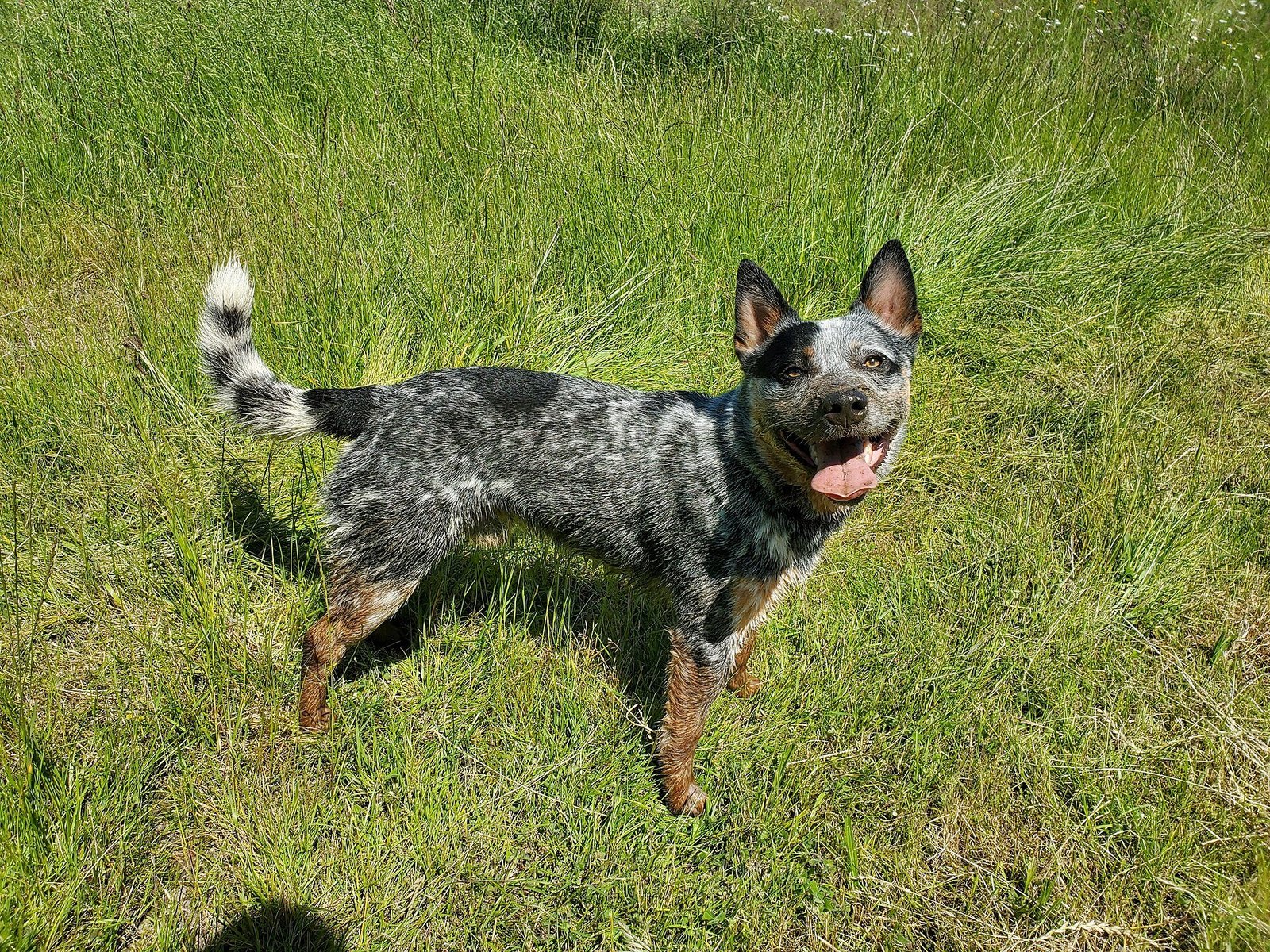
The search for biological roots of social and affective disorders — anxiety, depression, autism-spectrum conditions — increasingly runs through the gut. The microbes living in the digestive system produce compounds that speak to the brain, and disruptions in that conversation correlate with behaviour. The field’s persistent problem is translation: human data is correlational, mouse data is distant. A pioneering research direction proposes a third way — the domestic dog.
A Model That Shares Our World
The argument for the canine model begins with ecology. Pet dogs share human homes, routines, water supplies and much of the microbial environment of their owners. Their gut microbiomes respond to diet, stress and medication in ways shaped by a genuinely shared lifestyle — unlike laboratory rodents in controlled cages. For gut-brain research, where environment is half the story, that shared world is data no facility can manufacture. Our blog follows translational research where the model organism is half the discovery.
A Social Brain Worth Studying
The second argument is behavioural. Dogs are the only animals that evolved specifically to cooperate and communicate with humans; they follow pointing gestures, seek our gaze and form attachment bonds. They also develop spontaneous anxiety, compulsive and cognitive disorders that veterinarians diagnose with criteria resembling psychiatry’s. If gut microbes help tune social behaviour — as rodent studies hint — the dog is where that tuning can be observed in a species whose sociality is both natural and measurable, a point reflected in growing research funding tracked by the National Institutes of Health.
What Early Work Is Mapping
Current canine studies profile the gut microbiomes of dogs across the behavioural spectrum — highly sociable animals, anxious animals, working dogs selected for steady temperaments — looking for microbial signatures that track with temperament. Longitudinal projects follow puppies from weaning, when the microbiome is first established, into adolescence, when behavioural traits consolidate. Intervention studies, using diet and probiotics, test whether shifting the gut shifts the behaviour — the experiment that would move the field from correlation toward causation.
Why the Pharmaceutical Industry Is Paying Attention
The commercial world has noticed the science. Animal-health divisions of major pharmaceutical companies are investing in microbiome research for companion animals — probiotics, dietary interventions and diagnostics aimed at anxiety and cognitive decline in ageing dogs, conditions their owners already spend heavily to treat. That investment matters for the human field too: veterinary products reach market years faster than human medicines, generating real-world evidence on microbiome interventions in a social, long-lived species at a scale human trials cannot match in their early phases.
Analysts who follow the sector describe a familiar pattern: a platform insight migrates from academic novelty to industry pipeline once a measurable, ownable intervention appears. For gut-brain research, the dog may supply exactly that — testable products, measurable behaviour, and a paying customer base of devoted owners. The science began by asking what dogs could teach us about ourselves. It is increasingly clear the lessons, and the market, run in both directions.
Promise With Proper Caution
No responsible researcher claims dog findings prescribe human medicine directly. The value is triangulation: mechanisms that appear in rodents, dogs and human cohorts simultaneously become serious candidates for clinical translation. There is also a direct beneficiary — veterinary behavioural medicine gains evidence for conditions it currently treats by trial and error. The oldest working partnership in human history may be about to pay a new kind of dividend: understanding, through dogs, how the gut helps build a social mind. More research coverage is on our homepage.
